A Cat’s Guide to Humans

Welcome to this introductory presentation, ‘How to Live with Humans’. Before we start, I just want to check there are no kittens in the room, as some of the content isn’t suitable for them. Also I see two dogs at the back. Your presentation is taking place in the annex, and I would be grateful if you could make your way there as quickly as possible so as not to upset the more vulnerable members of the audience. Also, please don’t bark as you leave.
So let’s begin with the physical characteristics of humans. You’ve probably all met them before, so you’ll have noticed that just like us, they come in all shapes, sizes and colours. Sometimes it can be hard to distinguish males from females, but males, on average, are a bit taller, and tend to have shorter hair, but this is by no means a sure-fire way of telling them apart. (See slide 1) The most reliable way to tell an adult male from an adult female is the voice. The male’s voice is generally much deeper than the female’s, but of course there are exceptions. Determining the sex of a child is a little bit more tricky, but we’ll be covering that in the next module.

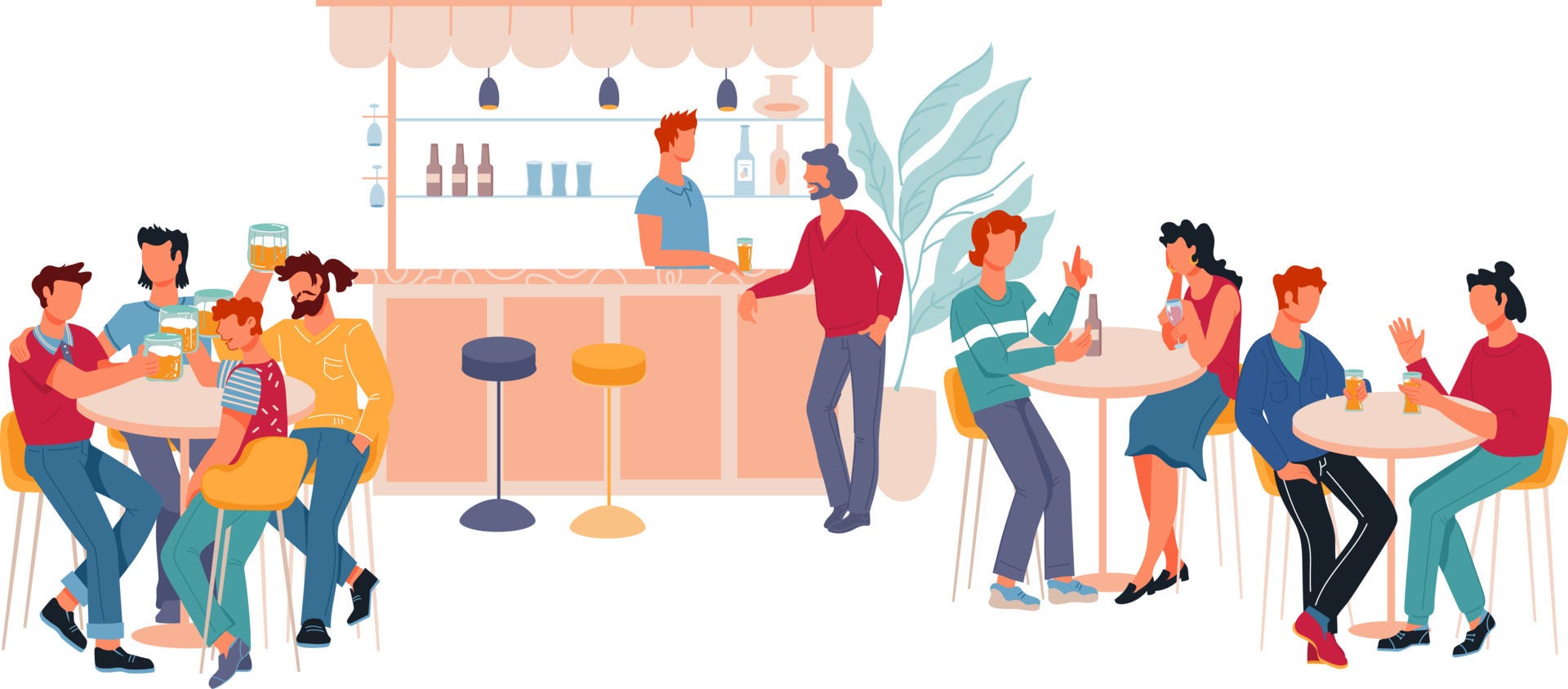
Now let’s come to speech patterns. As human vocalisations are meaningless, we have to rely on intonation. Soft utterances usually indicate feeling comfortable, and loud vocalisations may indicate fear, especially when accompanied by wide eyes and gasping respiration. It may also mean they’re angry, in which case they often gesticulate. If a group of humans vocalise loudly together, especially if holding a drinking cup, this is usually a form of social bonding. It takes some time to learn the difference between these loud vocalisations, but the more time you spend with your human, the easier it becomes. (See slide 2).
Next, we consider human behaviour. Unlike us, humans stand on their hind legs and have a limited capacity for jumping. They also aren’t interested in catching birds or mice, and prefer to spend their time looking at screens of various sizes. As you probably know, they interact with their screens by using their paws or by vocalising. We’re not sure why they do this, but we believe it’s because they’re not very bright. (See slide 3).

Unlike us, they need a varied diet, and although some of things they eat look most unappetising, we must remember they’re less evolved than us. A sign of this is that they can’t eat with their mouths alone, but have to use bits of metal to cut up their food and convey it to their mouth. Equally, they haven’t mastered the art of drinking from taps or bowls. (See slide 4)

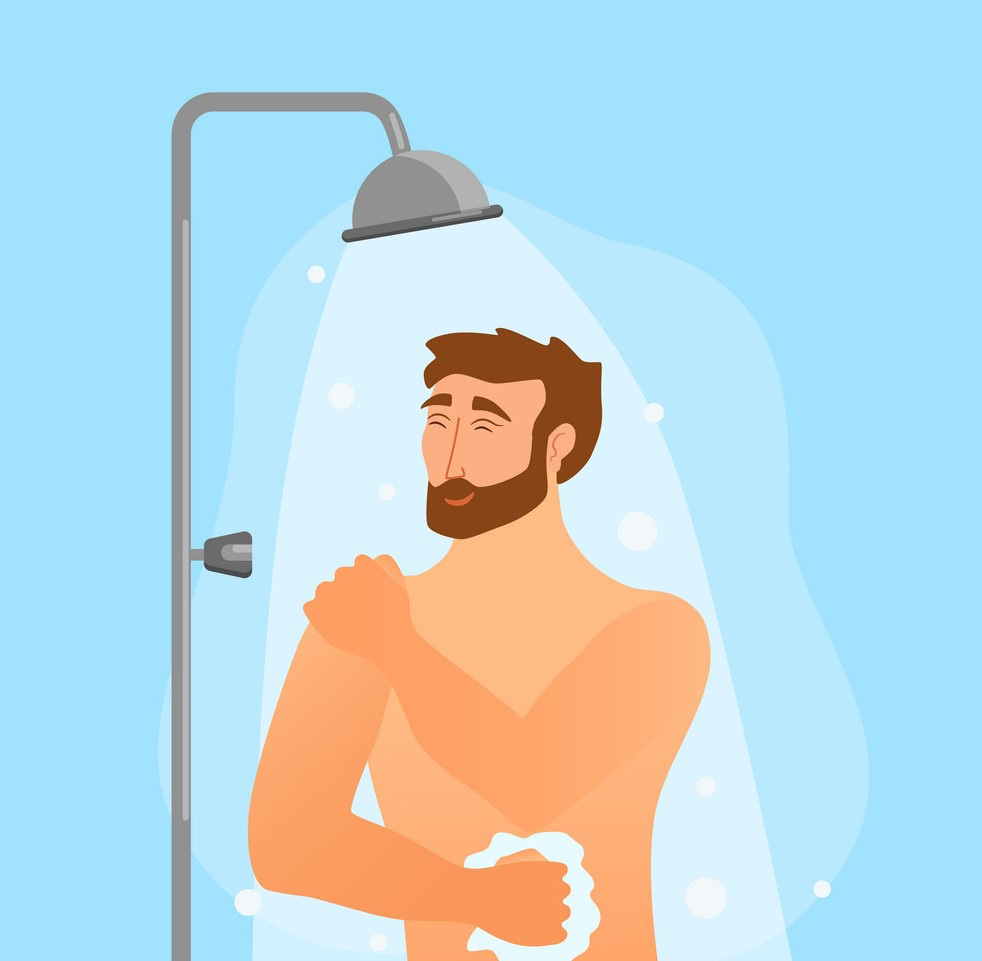
When it comes to personal habits, they don’t have the capacity to use their tongues to clean themselves, and the way they clean is astonishing. They take off their coverings (naked humans are a bit of a shock because their fur is so sparse) and immerse themselves in water till every part of them is wet. After they emerge, they rub themselves with a piece of cloth, which is quite sweet to watch, then they put on fresh coverings. (See slide 5)
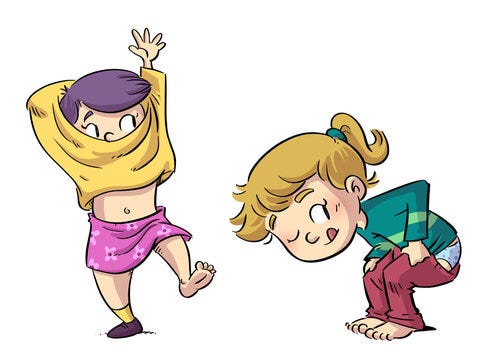
The extraordinary thing about these coverings is how many different types there are: some for the arms, some for the legs, some for the whole body, more sturdy ones for their delicate feet, and sometimes even head coverings. Even stranger, they often wear many layers of covering, one on top of the other. However, if you think how little fur they have, it makes sense that they have to protect their skin. (See slide 6).
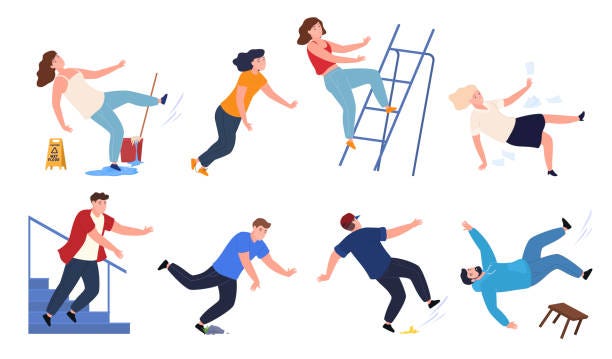
But once you get to know your human, you’ll find them endearing. Follow them around and you’ll see them do the cutest things. The way they clean their (tiny) teeth has to be seen to be believed and watching male humans remove fur from their face is hilarious. They may not sit in baskets or boxes or chase string, all the normal things, but the clumsy way they sit and walk, or indeed do anything, is enchanting once you get used to it. In the end, you’ll come to accept your human and even grow to love them. (See slide 7)
Next week in module 2, we’ll learn what humans use instead of litter trays.